
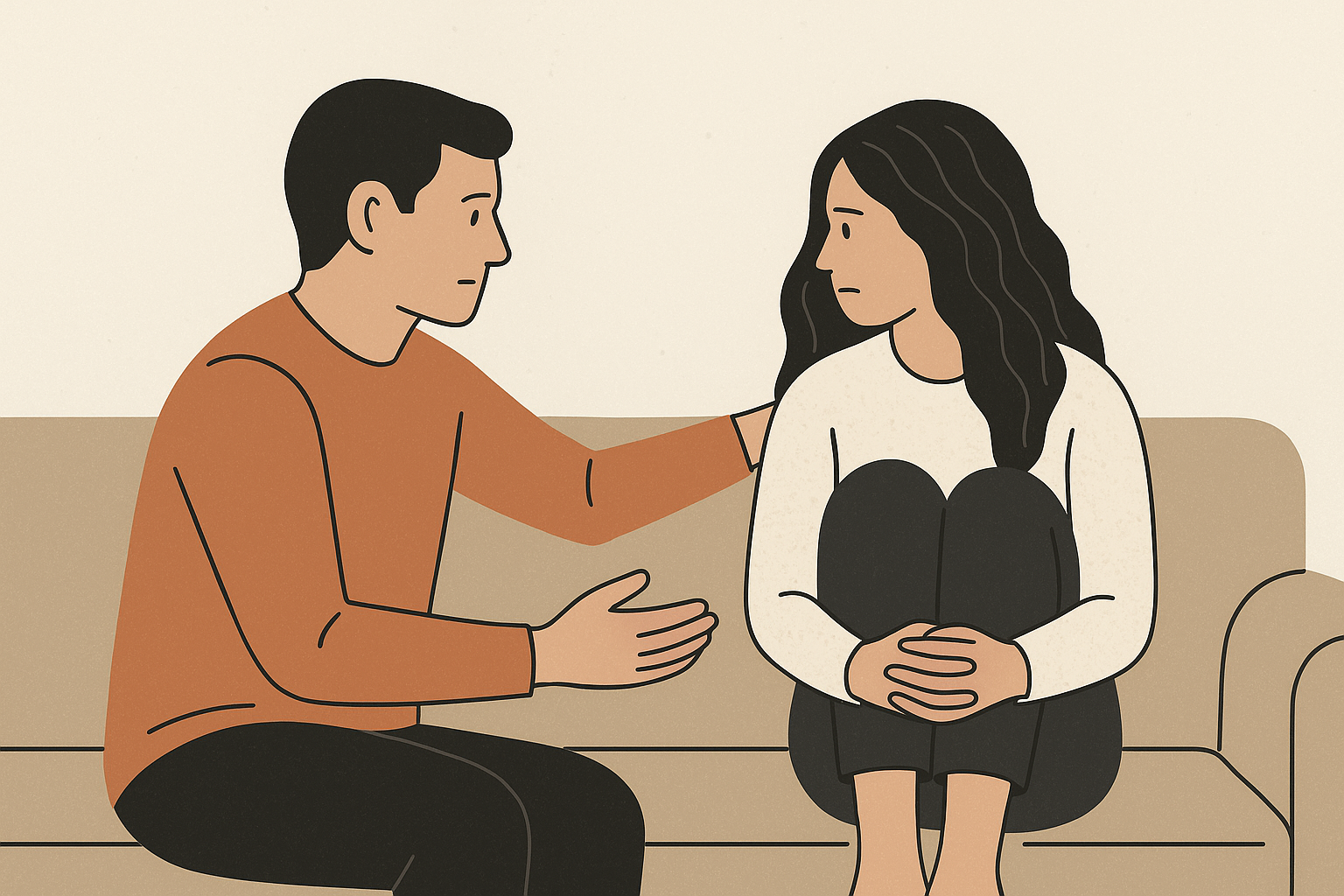
Attachment Styles at Play: Why You React the Way You Do in Relationships
Attachment styles shape how we love, fight, and connect. This post unpacks secure, anxious, avoidant, and disorganized attachment—and offers reflection prompts and hope for building healthier, more secure relationships.
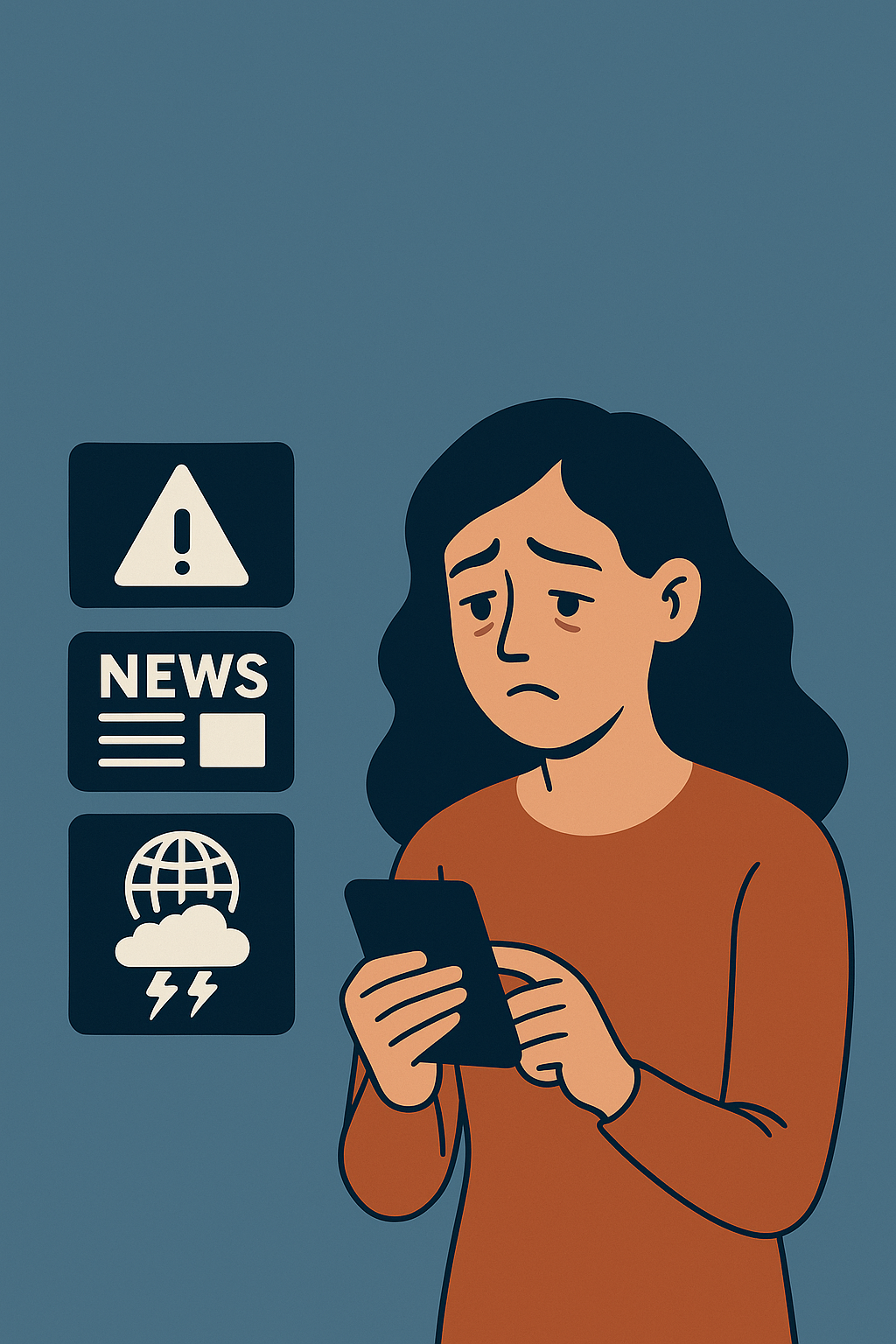
Doomscrolling: When Staying Informed Turns Into Being Consumed
We’ve all been there—scrolling late into the night, chasing one more headline, one more video, one more story. Doomscrolling tricks us into thinking we’re staying informed, but often leaves us anxious, restless, and disconnected. This post explores why we fall into the cycle, what it costs us, and gentle ways to step back without cutting ourselves off from the world.

Self-Harm and Passive Suicidal Thoughts: What They Really Mean
Passive suicidal thoughts and self-harm aren’t always about dying—they’re often about surviving intense emotional pain. This post explores what they really mean, why they matter, and how to get support without shame.

Venting vs. Soothing: What’s the Difference, and Why Does It Matter?
Venting and soothing are both important—but they’re not the same. Learn how to tell when you need to express vs. calm your emotions, and why both tools matter in emotional healing.
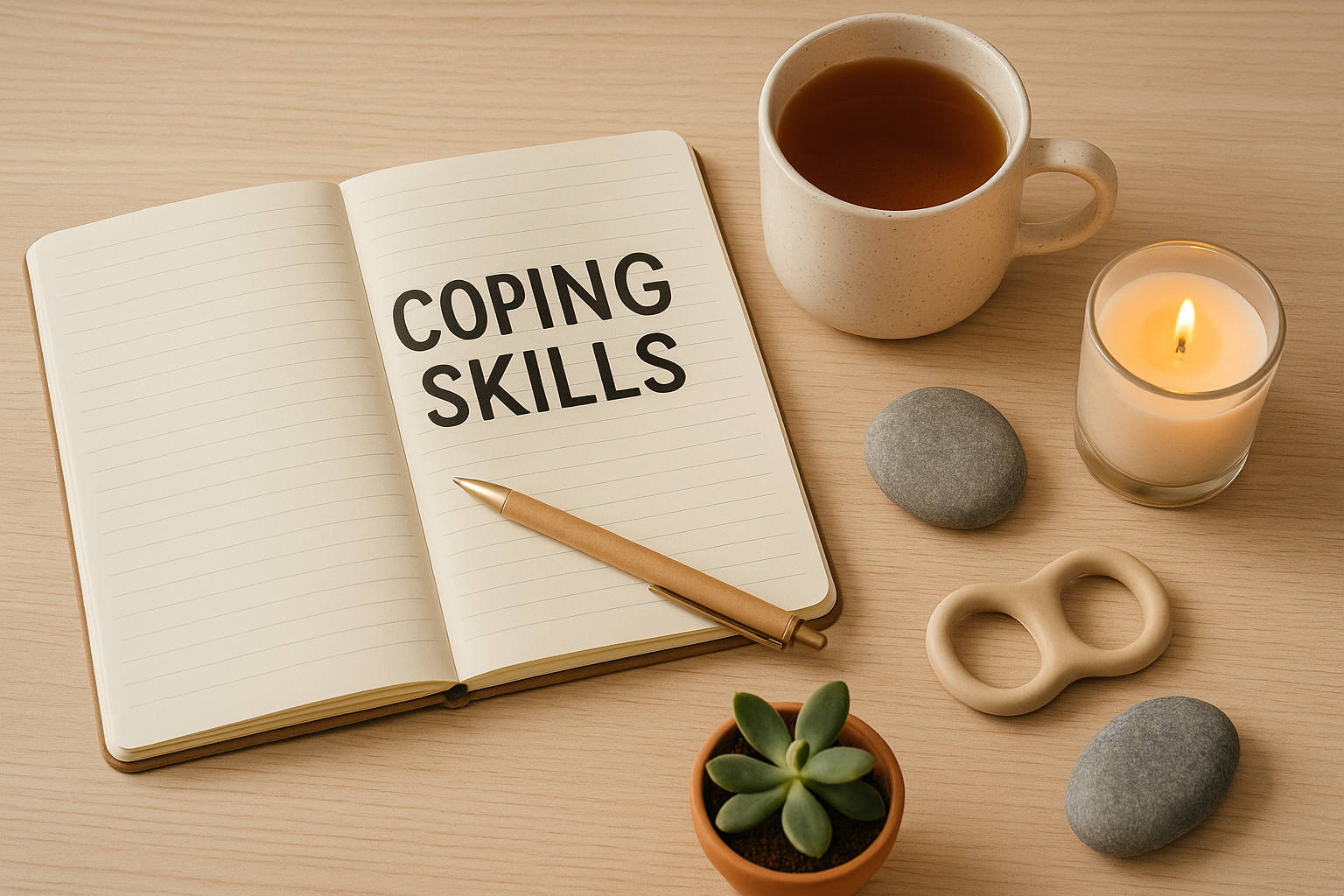
Not All Coping Skills Are the Same: A Categorized Guide to Managing Stress and Emotions
Coping skills aren’t one-size-fits-all—and you need more than just deep breaths. This categorized list gives you options for physical, emotional, social, and sensory regulation so you can build a toolkit that actually works.

I Thought I Forgave Them… So Why Am I Still Angry?
Forgiveness doesn’t always quiet the anger. If you’re still feeling hurt or activated even after letting go, you’re not broken—you’re healing. This post explores why forgiveness and emotional resolution don’t always arrive together.

Men’s Emotional Health: Breaking Stigmas and Building Support
Men deserve more than silence. This post explores how emotional stigma affects men’s mental health, what healing looks like, and how therapy is helping men reconnect with themselves and others.

Teletherapy 2.0: How Zoom Therapy Is Normalizing Help-Seeking and Making Treatment Accessible
Teletherapy isn’t just a post-pandemic trend—it’s a powerful shift in mental health care. This post explores how virtual therapy is breaking barriers, expanding access, and helping people get support on their own terms.

Emotional Support Animals and Mental Health: Understanding ESA Letters
Emotional support animals are more than pets—they're part of many people’s healing. This post covers what ESA letters are, who qualifies, and how to avoid scams while getting the support you need.

Virtual-Reality Therapy: Immersive Healing for Anxiety, PTSD, and Phobias
Virtual reality is making its way into therapy—and it's more than just tech hype. This post explores how VR is helping people face fears, reduce anxiety, and build resilience in a fully immersive space.

Social Media Boundaries: Protecting Your Mental Health in the Digital Age
Social media can connect or consume us—it depends on the boundaries we set. This post explores how to use social media intentionally, protect your peace, and stop letting apps run the show.

Trauma-Informed Care: Shifting from “What’s Wrong with You?” to “What Happened to You?”
Trauma-informed care asks a new question: not “What’s wrong with you?” but “What happened to you?” Learn how this compassionate approach is changing the way we understand behavior, emotion, and healing—both in therapy and in everyday life.

How Artificial Intelligence Is Changing Therapy (But Not Replacing It)
AI is showing up in therapy offices and apps everywhere—but it’s not replacing human therapists. Here’s how artificial intelligence is helping support mental health care and why empathy, intuition, and real connection still matter most.

What Are Erotic Blueprints—and Why Should Couples Care?
Sexual connection isn’t one-size-fits-all. The Erotic Blueprints help couples understand their unique turn-ons, heal mismatched desire, and stop taking differences personally. This post breaks down the 5 types—and why knowing yours might change everything.

Can You Rebuild Trust After Betrayal?
Betrayal breaks more than trust—it shakes your entire reality. This post explores whether it’s possible to rebuild after infidelity or betrayal, what real repair takes, and how couples can move forward with honesty, safety, and care—even if it still hurts.
5 Things I Wish Everyone Knew About Sex Therapy
Sex therapy isn’t just about sex. It’s about safety, self-understanding, and connection. In this post, I share 5 things I wish everyone knew—like why you don’t have to be in a relationship, what it’s actually like, and why there’s nothing too weird or broken to bring in.

What’s in My Therapy Office (and Why It’s Not Just a Couch and Clipboard)
My therapy room isn’t cold or clinical—it’s cozy, expressive, and filled with tools to help you feel safe being real. This blog shares what’s in my space (yes, including a clipboard) and why healing sometimes starts with a fidget, a worksheet, or a deep breath.

Codependent or Just Caring Too Much?
Caring deeply doesn’t make you codependent. But when love means losing yourself, it’s time to look closer. This blog unpacks the difference between healthy care and self-abandonment—and how therapy can help you reclaim your sense of self.

What If It’s Not You?
Self-doubt doesn’t mean you’re broken—it usually means you were taught to survive by shrinking yourself. This blog explores how childhood wounds shape the way we see ourselves and how therapy can help you reclaim your worth.

Why You Can’t Just “Let It Go”: Trauma, Triggers, and the Nervous System
You’ve probably been told to “just let it go.” But trauma doesn’t work that way. It lives in the body, not just the mind. Here’s why your triggers make sense—and how EMDR therapy can help you heal what talk therapy alone sometimes can’t.