

How to Set Boundaries With Family Without Feeling Like the Villain
Setting boundaries with family during the holidays can feel overwhelming, emotional, and guilt-filled—especially if you’ve spent years being the “easy one,” the “flexible one,” or the one who holds everything together. This blog explores why it feels so hard to set limits with family, why guilt shows up even when you’re doing the right thing, and how to communicate boundaries with kindness and clarity. You’ll learn therapist-created scripts, emotional insights, and practical tools to navigate family dynamics without slipping back into old roles. A warm, compassionate guide for anyone who wants to protect their peace this holiday season—without feeling like the villain in their family story.

Sexual Desire in Winter: Why Your Libido Changes in the Colder Months
Winter changes everything—your mood, your routine, your energy levels, even your sexual desire. If your libido feels different in the colder months, you’re not alone and you’re definitely not broken. Shorter days, more stress, emotional memories, and nervous system shifts all play a role in how desire shows up—or doesn’t. This blog explores why winter can make you crave closeness one day and hibernate the next, and how couples can stay connected without pressure or shame. From hormonal changes to relationship dynamics, you’ll learn what’s normal, what’s seasonal, and how to create intimacy that feels safe, slow, warm, and honest. A compassionate guide written for real humans whose bodies change with the seasons.

Seasonal Burnout: The December Exhaustion No One Talks About
December has this shiny reputation—twinkly lights, cozy nights, peppermint everything—but no one talks about the exhaustion underneath. The kind that creeps in at the end of the year and makes even joyful things feel heavy. We enter December already tired, already stretched, already carrying twelve months of emotions in our chest. And then the holidays ask us to sparkle on command.
This blog explores seasonal burnout—why December hits harder, why you might feel disconnected or irritable, and why your nervous system gets overwhelmed even when nothing is “wrong.” From emotional memory to holiday expectations, burnout shows up in sneaky ways. But it doesn't mean you're failing. It means you’re human.
Inside, you’ll find gentle, doable ways to rest, reset, and soften the month. Because you don’t have to earn rest. You don’t have to make magic happen. You’re allowed to end the year tenderly, even if everyone else expects you to end it with fireworks.
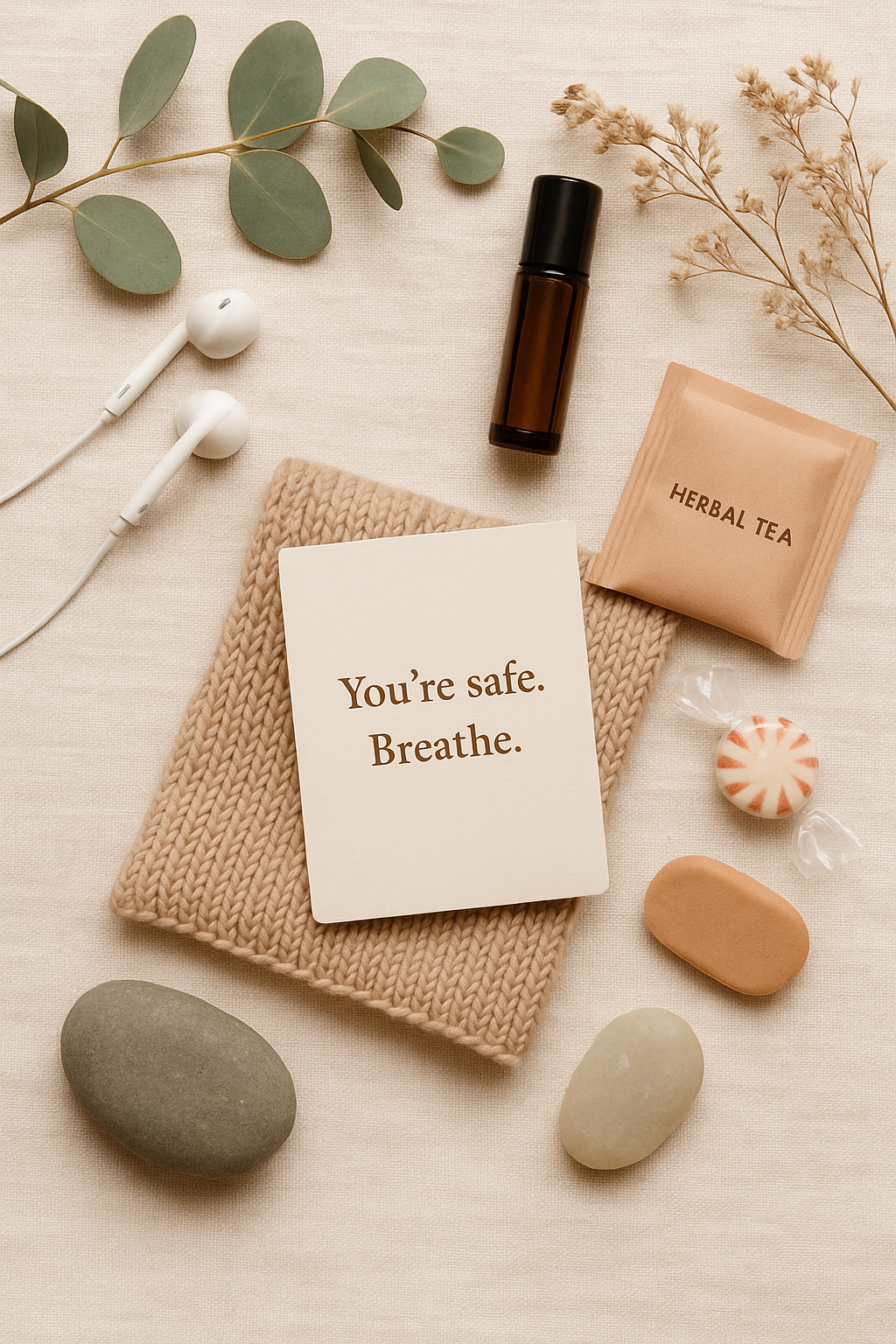
Using Your 5 Senses to Build a Coping Skills Toolkit
There are moments when your nervous system feels like it’s holding its breath—when your mind is loud, your body is buzzing, and you just need something to bring you back home. Using your five senses is one of the simplest ways to ground yourself in the “right now.” This post walks you through creating a 5 Senses Coping Skills Toolkit filled with small, comforting anchors that help you breathe a little easier on the days you feel far away from yourself.

Year-End Career Check-In: What Your Work Life Reveals About Your Mental Health
Before setting new goals for 2026, take a breath. This post invites you to reflect on what your work life has been saying about your inner world — stress, perfectionism, or maybe a quiet desire for change.

Cold Weather, Warm Hearts: Reconnecting with Your Partner as the Seasons Change
As the days get shorter, many couples feel an unexpected chill in their connection. This post explores why seasonal change can create emotional distance — and how to rekindle warmth and closeness when love feels quiet.

When Gratitude Feels Forced: Finding Authentic Thankfulness During the Holidays
Gratitude isn’t always easy — especially when the holidays bring stress, grief, or exhaustion. This post explores how to find genuine thankfulness when “be grateful” feels more like pressure than peace.

Why We Avoid the Quiet: How the End of the Year Silences Us and What to Do About It
When the noise of the year fades, we’re left with something we often avoid — quiet. But stillness isn’t empty; it’s revealing. This post explores why silence can feel uncomfortable and how embracing it can help you reconnect with yourself before the new year.

When Anxiety Feels Like a Haunted House: A Halloween Take on Mental Health
Halloween is about haunted houses and spooky fun—but anxiety can feel like living in one year-round. Learn how to face your fears, calm your nervous system, and bring light to the “haunted house” of anxiety.

Why Seasonal Depression Hits Harder in Fall—and How Therapy Can Help
As the days grow shorter in fall, many notice their mood slipping. Seasonal depression, or SAD, is common—but it’s treatable. Here’s why it happens and how therapy can help you find light in darker months.

Domestic Violence Awareness Month: Healing the Hidden Wounds of Emotional Abuse
Domestic violence isn’t always physical. Emotional abuse—gaslighting, control, criticism—leaves hidden scars that take time to heal. This October, learn how therapy can support survivors in reclaiming safety, voice, and hope.

ADHD Awareness Month 2025: When to Seek Therapy for Adult ADHD
ADHD doesn’t stop at childhood. October’s ADHD Awareness Month is a chance to understand how symptoms show up in adulthood—and how therapy can provide tools, support, and hope for change.
World Mental Health Day 2025: Turning Awareness Into Lasting Self-Care
World Mental Health Day shines a light on mental health struggles across the globe. But true change happens when we turn awareness into daily action. Here’s how to carry self-care beyond October 10.
Panic Attacks: When Your Body Hits the Alarm Button
Panic attacks are overwhelming—but not dangerous. This blog explores what panic attacks are, why they happen, and how to cope in the moment, with resources for long-term support.

IFS and Parts Work: Meeting the Many Sides of You
Internal Family Systems (IFS) therapy views the mind as a collection of “parts,” each with its own role and story. This blog explores how IFS and parts work help us listen to our inner voices with compassion and discover the calm, healing Self at the center.
Therapy Fatigue: When Healing Starts to Feel Exhausting
Therapy is powerful—but it can also feel exhausting at times. This blog explores “therapy fatigue,” why it happens, and how to cope without giving up on the healing process.

Trauma Bonding: What It Really Means (and What It Doesn’t)
“Trauma bonding” has become a viral buzzword, but it’s often misunderstood. This blog unpacks the real meaning: the powerful attachment that forms in cycles of abuse. Learn what it is, what it isn’t, why it’s so hard to break, and how healing begins.
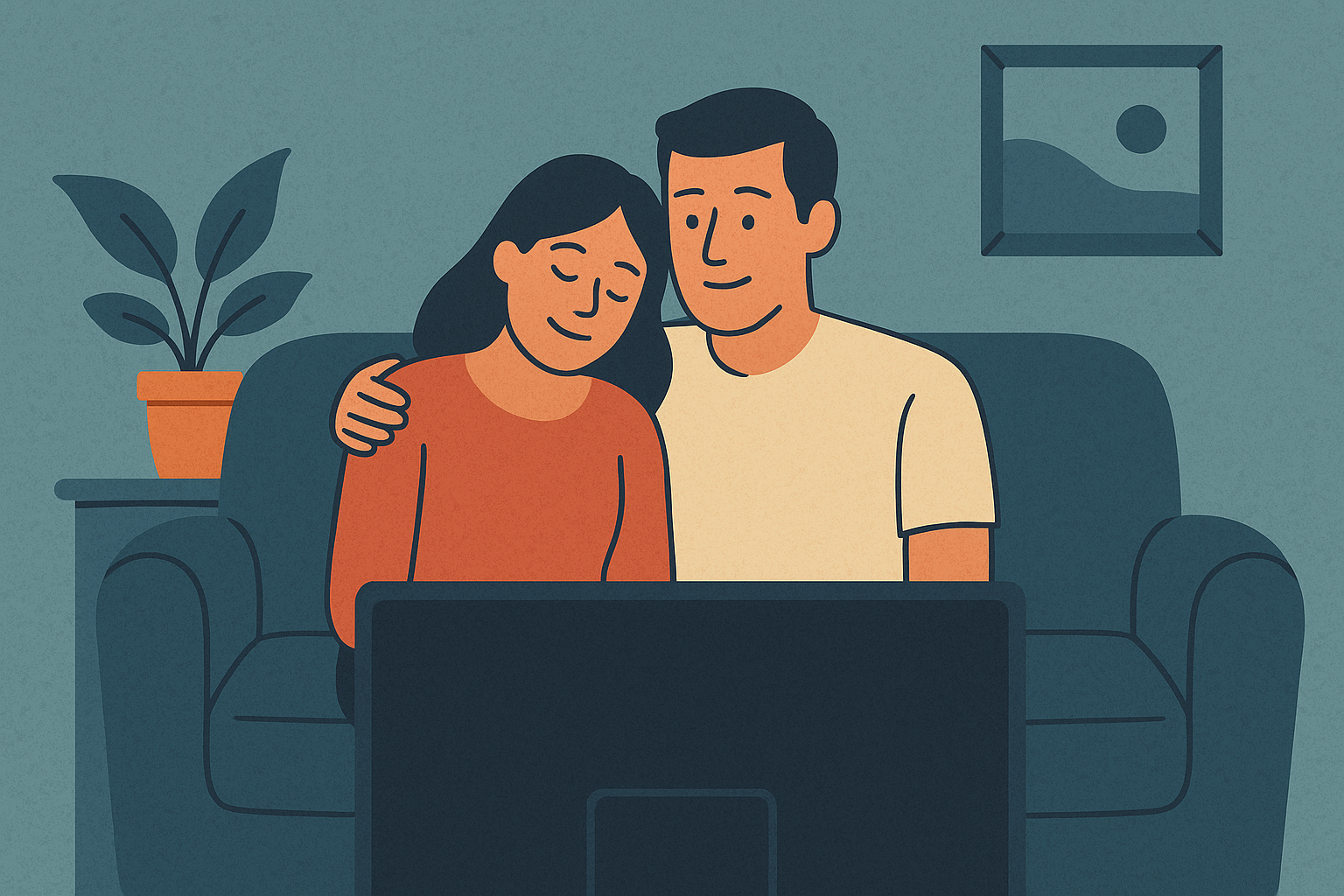
Intimacy vs. Sex: What We See on Screen Isn’t the Whole Story
Movies often show intimacy as perfect, passionate sex—but in real life, intimacy is much more than what happens in the bedroom. This blog explores the difference between intimacy and sex on screen versus real life, and how true connection often grows in the everyday moments.
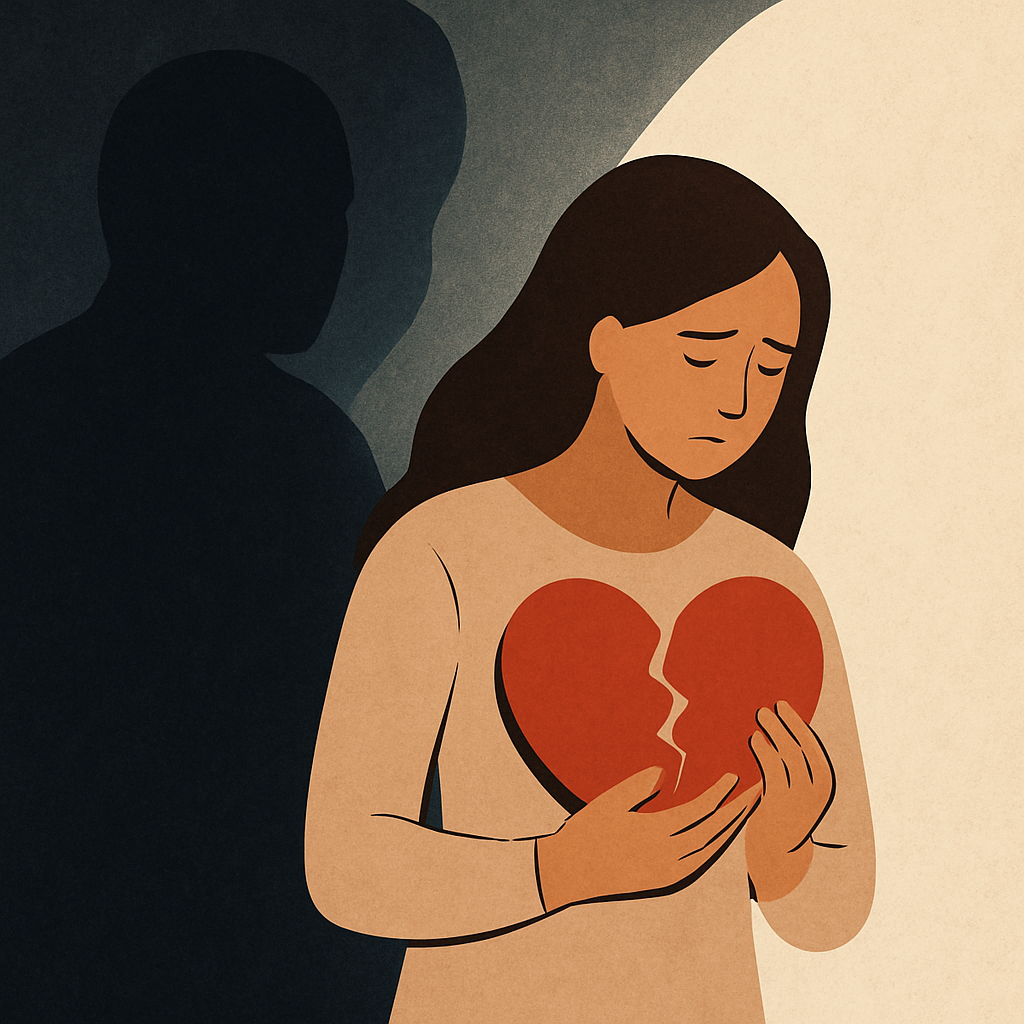
Domestic Violence in Relationships: Naming It, Understanding It, Finding Safety
Domestic violence isn’t always visible—but it always leaves deep wounds. This blog explores the many forms of abuse, why leaving is complex, and the path toward safety and healing, with resources for support.

When Parents Stay Children: How Emotional Immaturity Shows Up in Adult Relationships
When parents are emotionally immature, their children often grow up feeling unseen, unheard, or responsible for everyone else. This blog explores how that shapes adult relationships and how healing begins with awareness, boundaries, and self-compassion.